

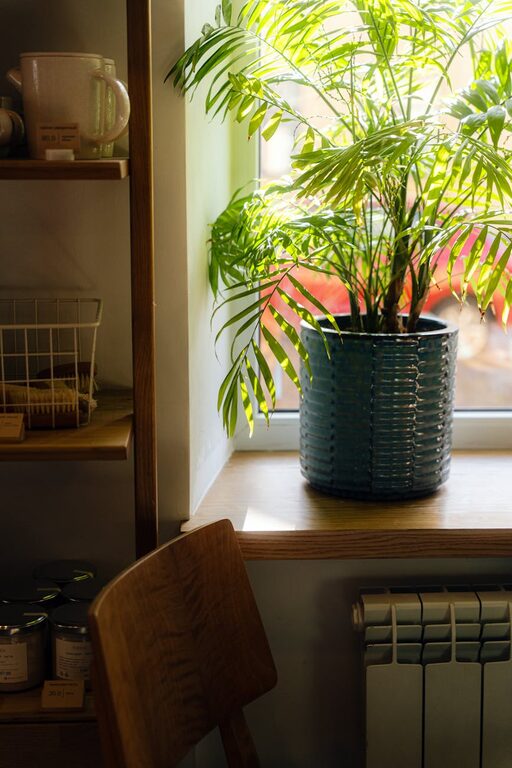
Creating a relaxing home environment is something many of us strive for, especially in today’s fast-paced world. Two of the simplest yet most effective ways to achieve this are through natural light and incorporating plants into your living spaces. Both elements not only improve the aesthetics of a room but also promote well-being and a connection with nature. In this post, we’ll explore how you can use natural light and plants to transform your home into a calming sanctuary.
Why Natural Light and Plants Matter for Relaxation
Before diving into practical tips, it’s worth understanding why natural light and plants play such a vital role.
– Natural Light: Exposure to daylight helps regulate our circadian rhythms, influencing sleep, mood, and energy levels. A bright space feels welcoming and uplifting.
– Plants: Indoor greenery improves air quality, reduces stress, and adds a soothing natural element that softens any room.
By combining these two features thoughtfully, you can create a balanced, tranquil environment that nurtures both body and mind.
Maximising Natural Light in Your Home
Making the most of daylight doesn’t mean you need a complete home renovation. Here are some effective strategies:
1. Position Furniture Near Windows
Arrange seating and work areas close to windows to benefit from natural light. If possible, avoid blocking windows with bulky furnishings.
2. Use Light, Sheer Curtains
Heavy curtains absorb light. Instead, opt for sheer or light-coloured curtains that allow sunlight to filter through gently, creating a soft glow.
3. Keep Windows Clean
It sounds simple, but regular cleaning lets more light into your rooms, preventing a dull and dim atmosphere.
4. Place Mirrors Strategically
Mirrors reflect natural light and can make small spaces appear larger and brighter. Position a mirror opposite or adjacent to a window for maximum effect.
5. Choose Light Wall Colours
Walls painted in whites, creams, or pale pastels will reflect daylight more effectively than darker tones, helping to spread natural light throughout the room.
Selecting and Caring for Indoor Plants
Introducing plants to your living area adds life and calm, but not all plants are created equal when it comes to indoor growing conditions.
1. Choose Plants That Thrive Indoors
Consider plants that are well suited to indoor light levels, such as:
– Snake Plant (Sansevieria): Tolerant of low light and low maintenance.
– Spider Plant (Chlorophytum comosum): Purifies air and easy to care for.
– Peace Lily (Spathiphyllum): Adds elegance and thrives in indirect light.
– Pothos (Epipremnum aureum): Hardy and adaptable, perfect for shelves or hanging.
2. Match Plants to Room Lighting
Be mindful of the light your room receives. South-facing windows bring strong sunlight, suitable for sun-loving plants, while north-facing rooms may need low-light tolerant varieties.
3. Create Groupings for Visual Impact
Group several plants of varying heights and textures together to create a natural, lush corner that draws the eye and promotes relaxation.
4. Water and Care Consistently
Overwatering is a common mistake. Check the plant’s specific watering needs and ensure good drainage to prevent root rot. Regularly dust leaves to help plants breathe and absorb light efficiently.
Combining Plants with Natural Light for Best Results
Optimising both elements together amplifies their benefits. Consider these tips:
– Place plants near windows where they can receive adequate sunlight but avoid direct harsh rays that might scorch leaves.
– Use plant stands or shelves to bring greenery up to eye level and closer to light sources.
– Rotate plants periodically to ensure even growth and exposure.
– Incorporate trailing plants around window frames or shelves to create a soft, flowing effect that enhances a soothing vibe.
Additional Tips for a Relaxing Atmosphere
Beyond light and plants, you can also enhance your environment with these complementary ideas:
– Keep Spaces Tidy: Clutter reduces the feeling of calm, so regular decluttering helps create more open, peaceful areas.
– Use Natural Materials: Items like wooden furniture, cotton throws, and linen cushions add texture and warmth.
– Add Soft Lighting: Combine natural light with soft, warm artificial lighting like lamps or candles in the evening to maintain a relaxed mood.
– Consider Aromatherapy: Using natural scents from essential oils or fresh herbs can boost the calming effect of your space.
Final Thoughts
Creating a relaxing home environment doesn’t require expensive solutions or major changes. By thoughtfully maximising natural light and incorporating the right plants, you bring vitality, freshness, and peace to your living areas. Small mindful adjustments can lead to a big difference in how your home feels and how you experience everyday life.
Take your time choosing plants that fit your lifestyle, arrange spaces to welcome daylight, and enjoy the soothing effect of nature indoors. Your home can become a personal sanctuary where you feel relaxed, refreshed, and reconnected.